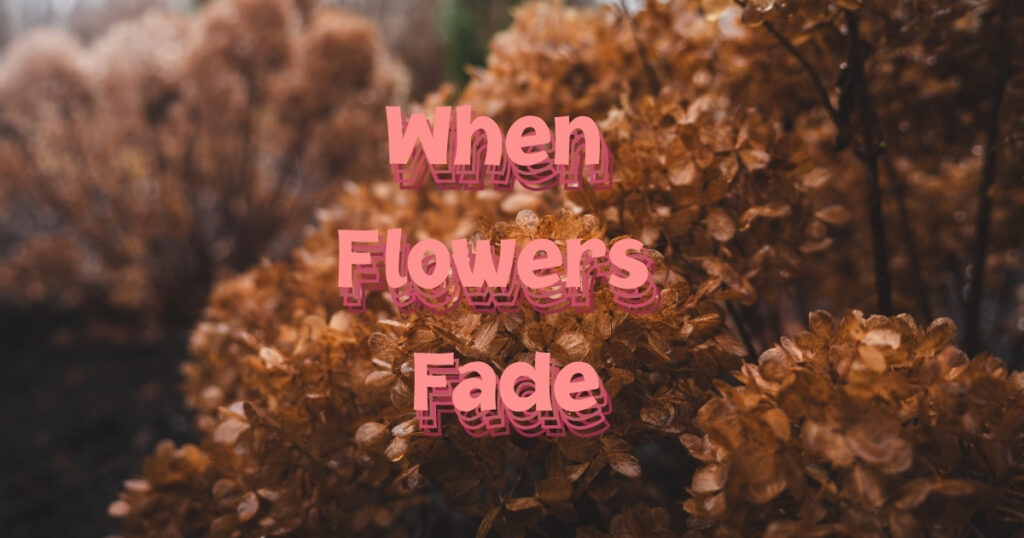
There’s a point every fall when we grieve the loss of our peak summer garden. Flowers that once stole the show begin to fade, petals drop, and the lush greens of summer give way to changing colours and textures.
It’s tempting to reach for the pruning shears and start cutting everything back. After all, if a plant isn’t flowering anymore, what is it really adding to the garden?
Quite a bit, actually.
Some plants become even more interesting as their flowers fade. Blooms take on softer, antique colours, seedheads add structure, ornamental grasses bring movement, and foliage continues to provide colour long after the flowers are gone.
So before you tidy up your garden this fall, take another look. You might find that some of your favourite plants still have a little more to offer. Here are some shrubs we have noticed add a little something special to our garden:
1. Hydrangea Blooms That Get Better With Age
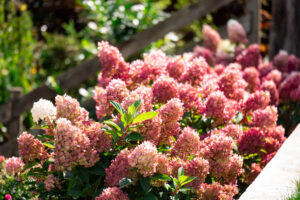
Hydrangeas are known for their big, beautiful blooms, but the show doesn’t necessarily end when those flowers start to fade.
As the season progresses, many hydrangea blooms gradually shift into softer, more muted shades. Depending on the variety, you might see dusty pinks, deep reds, burgundy tones or antique greens. Even hydrangea heads that turn brown can add beautiful texture to the garden.
Instead of the fresh colours of summer, you get something a little more subtle that pairs beautifully with the rest of the fall garden.
These aging blooms can also hold their shape well into autumn, giving your garden structure even as other plants begin to die back.
The takeaway? Don’t be too quick to deadhead your hydrangeas just because their flowers have changed colour. If the blooms still look good to you, let them stay a little longer.
2. Seedheads Have Their Own Kind of Beauty
Flowers aren’t the only part of a plant worth enjoying. Once the petals fall away, some plants reveal interesting seedheads that bring a completely different look to the garden.
Think of the spiky centres of coneflowers, the dried flower clusters of sedums or the rounded structures left behind by other perennials. They might not be as colourful as the flowers that came before them, but they add shape, texture and visual interest.
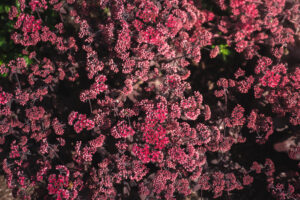
Leaving some seedheads standing can also benefit wildlife. Birds may feed on the seeds, while the remaining structures give the garden something to look at through the quieter months.
The takeaway? Before cutting back your perennials, consider leaving seedheads for added interest and food for wildlife.
3. Ornamental Grasses Bring Movement to the Garden
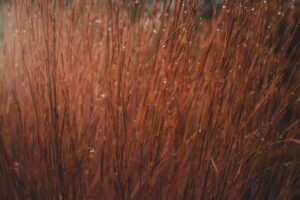
When many flowers have finished blooming, ornamental grasses are just getting interesting.
Their feathery plumes, upright stems and arching leaves add height and texture to the garden. As the weather cools, some grasses develop warm shades of gold, copper and bronze, while others hold onto their original colour.
One of their best features is how they move. A little breeze brings their stems and plumes to life, adding movement like a flowing river into a garden that might otherwise feel still.
And you don’t need a complicated planting scheme to enjoy the effect. Even one well-placed ornamental grass can add contrast beside shrubs, perennials or garden paths.
The takeaway? Resist the urge to cut ornamental grasses down in fall just because they’re no longer green. Many provide beautiful winter structure, too. In colder climates, leaving them standing until late winter or early spring can also provide shelter for wildlife. (This also means less fall garden chores for you!)
4. Foliage Doesn’t Need Flowers to Make an Impact
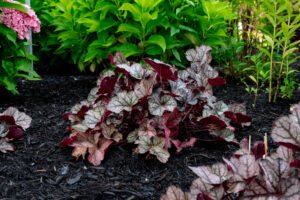
We often focus on flowers when choosing plants, but foliage is what gives a garden much of its structure and colour throughout the growing season.
And when flowers fade, those leaves can really step into the spotlight.
Plants with burgundy, purple, silver, gold or variegated foliage can continue adding contrast long after their blooms have disappeared. Some shrubs also develop beautiful fall colours, while evergreen or semi-evergreen plants can keep the garden looking lively as other plants lose their leaves.
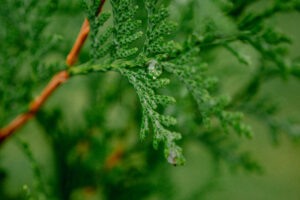
This is one reason foliage deserves a little more attention when planning a garden. Flowers might be the main attraction for a few weeks, but interesting leaves can contribute to the overall look for much longer.
The takeaway? When you’re evaluating your garden this fall, look beyond the flowers. Colourful leaves, contrasting shapes and different textures can still make a planting feel full and intentional.
5. Dried Flowers Can Add Texture and Structure
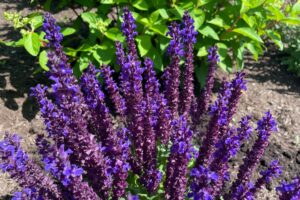
There’s something appealing about the way a garden changes as the growing season winds down. Colours become softer, flowers dry in place, and plants take on a more relaxed, natural look.
Some flower heads develop papery petals, others form rounded clusters, and some leave behind intricate structures that catch the light or look beautiful against an autumn sky. Just look at the beautiful rosehips left behind from Cinnamon Hearts™ Rose!
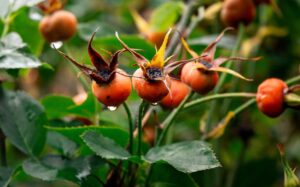
These dried forms add a layer of texture that fresh flowers don’t always provide. They can also create contrast against evergreen foliage, bare branches or the darker colours of fall.
Of course, not every faded flower needs to stay. Some plants become untidy as they finish blooming, and others may benefit from being deadheaded. The trick is learning to recognize which plants still contribute something to your garden.
The takeaway? If a dried flower head looks interesting and the plant is healthy, there’s no rush to remove it. Let your garden evolve naturally instead of trying to keep every plant looking freshly bloomed.
So, What Should You Cut Back This Fall?
The goal isn’t to leave everything untouched. It’s to be a little more selective about what you remove.
Before you start cutting, ask yourself three simple questions:
- Does it still look good? If the plant has attractive colour, texture or structure, consider leaving it.
- Could it benefit wildlife? Some seedheads provide food for birds, and standing plant material can offer shelter for beneficial insects.
- Does it need to be cleaned up? Remove diseased plant material, deal with plants that are becoming a problem, and follow any specific care recommendations from the variety’s plant tag.
You can always tidy up a garden without cutting every perennial and shrub back at once. Some plants are best pruned in fall, while others benefit from being left until spring.
A Garden Doesn’t Have to Be in Full Bloom to Be Beautiful
It’s easy to think of gardening as a race to keep everything blooming, growing and looking its best. But part of enjoying a garden is learning to appreciate the different stages it moves through.
A faded hydrangea bloom, a cluster of seedheads or a patch of colourful foliage might not look like the garden did in June. That’s the point. There’s beauty in the transition, too.
So before you reach for the pruning shears this October, take a moment to look at what’s still there. You might discover that the plants you thought were finished are still doing exactly what makes a garden interesting.
Plant. Water. Relax. And remember, you don’t have to tidy everything up to have a garden worth enjoying.
