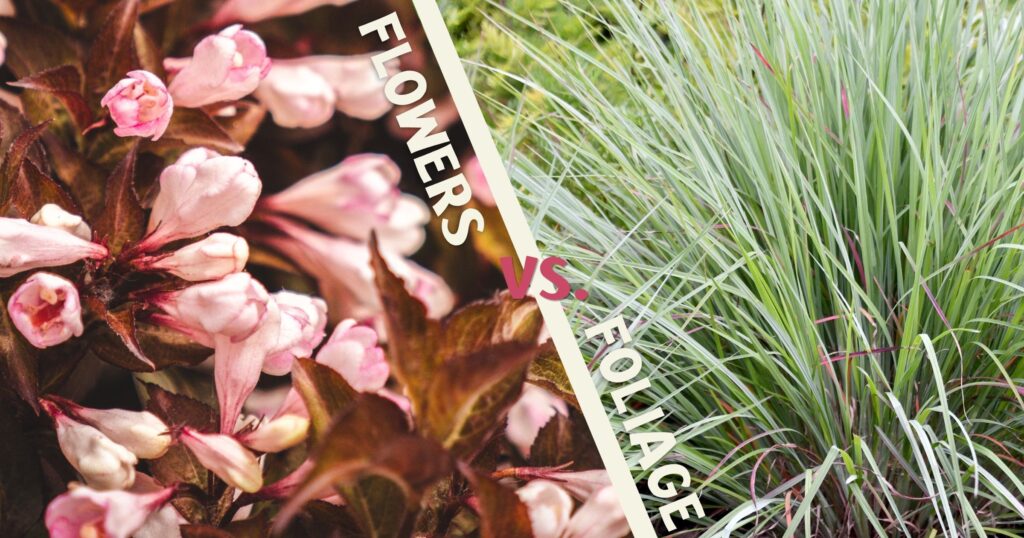
When most of us think about adding color to the garden, we think about flowers first. Bright blooms, bold combinations, and that wow-factor moment when everything is in full swing.
But according to garden designer Kate David (@hellogardendesign), that’s only part of the story.
“When I’m designing a garden, I actually always have foliage color and texture at the forefront… because the flowers come and go. Flowers are the ephemeral bits… but it’s hyper important that we focus on foliage because it will actually hold and help balance the florals that we bring into the landscape.”
For beginner gardeners, this shift in thinking can be a game-changer. Instead of chasing constant blooms, you can build a garden that looks beautiful all season long—by starting with foliage.
Let’s break down how designers use both foliage and flowers to create balanced, dynamic color.
1. Start with Foliage—It’s Your Foundation
Flowers may steal the spotlight, but foliage is what keeps your garden looking good from spring through fall.
“The bones that actually hold a garden together is often times the unsung hero of foliage—color and texture.”
That means when you’re planning your garden (or even a container!), think beyond blooms. Look at:
- Leaf color
- Leaf shape
Kate explains that she’s “constantly contrasting foliage—leaf shape, texture, and color—to achieve something that is truly dynamic.”
For beginners, a simple first step is to pause and look at what you already have. Is everything the same shade of green? Are all the leaves similar in size or shape? If so, that’s an opportunity to add interest—before you even think about flowers.
2. Use Foliage Color to Balance Your Flowers
Once you start noticing foliage, you’ll see that not all greens are created equal. Designers often think in “color zones” when it comes to leaves—and those tones can dramatically change how your flowers feel.
Cool Things Down with Blues & Silvers
“Do you have something that has a blue cast to it? Something that’s going to cool down a hot colored floral scheme.”
If you love bold flowers like reds, oranges, and hot pinks, adding blue or silvery foliage can soften the look and create contrast. Think of it like turning down the temperature of your garden.
Add Drama with Deep Purples & Reds
“If your landscape is feeling too sweet, you can bring a lot of drama by injecting those deep merlots that we love so much.”
Dark foliage adds instant depth and sophistication. It also helps ground lighter, softer blooms so your garden doesn’t feel overly pastel or one-note.
Kate highlights plants like Weigela Afterglow® for this effect:
“You’ve got this super sweet little tubular flower, but you get the drama… of that deep foliage—which I think is so sensational in a landscape.”
Brighten Things Up with Fresh Greens
“You’re gonna wanna look towards moments where you can interject that fresh spring green… especially in the shade.”
Chartreuse and fresh green tones act like a natural highlighter in the garden. They brighten darker areas and help reflect light—especially useful in shady spots.
Plants with a silvery cast can do this too:
“That’s going to reflect light around… and really lift those darker areas.”
3. Think of Flowers as the Finishing Touch
Once your foliage is doing the heavy lifting, flowers become what they’re meant to be: the fun part.
“Flowers are the jewelry on top.”
They add personality, seasonality, and those pops of color we all love—but they don’t have to carry the whole design.
This also takes pressure off beginner gardeners. Instead of worrying about having something in bloom all the time, you can:
- Focus on a strong foliage base
- Add flowers for moments of impact
- Let your garden evolve naturally through the seasons
The Takeaway for Beginner Gardeners
If your garden feels flat, too busy, or just not quite right, the answer might not be more flowers.
It might be better foliage.
Start by mixing leaf colors, playing with contrast, and thinking about texture. Then layer in flowers as accents.
That’s the designer secret: a garden that looks good—even when nothing is in bloom.
