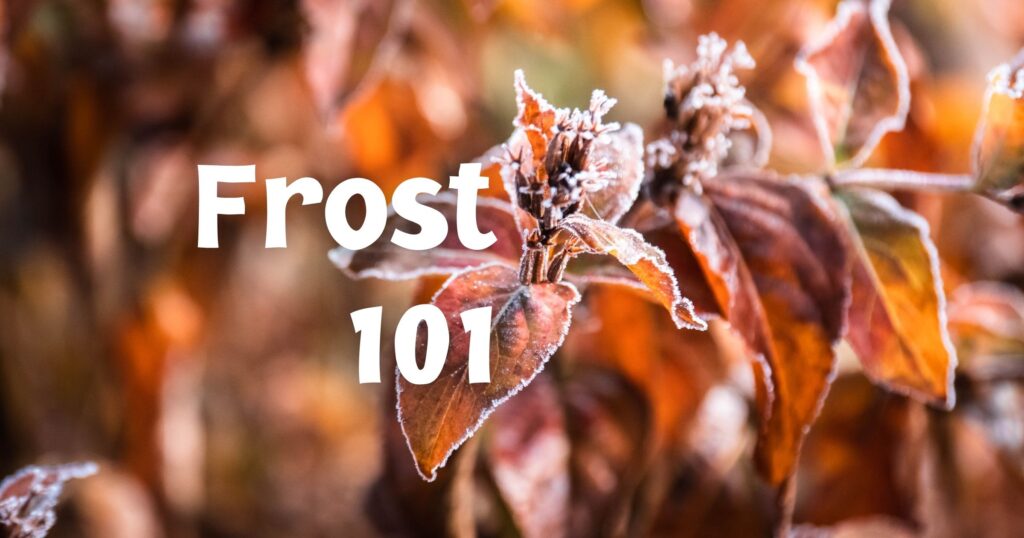
As the nights get cooler and mornings start to sparkle, frost season is right around the corner. But what does frost really mean for your garden—and how can you prepare?
How to Know When Frost Is Coming
Every region has a typical first frost date—the average time in fall when temperatures drop to freezing. You can find yours by searching your postal code or city in an online “first frost date” calculator, or by checking your local weather forecast for nighttime lows.
Keep in mind: it’s an average, not a guarantee. Some years frost arrives early, other years it waits a little longer—so once overnight temps start flirting with freezing, it’s time to get ready.
Light vs. Hard Frost
- Light frost: occurs when temperatures dip just below freezing for a short time. You might notice a silvery layer on grass or leaves, but many hardy plants recover quickly.
- Hard frost (or freeze): happens when temperatures stay below –2°C (28°F) for several hours, which can kill tender plants and officially end the growing season.
What Frost Does to Your Garden
When temperatures fall below freezing, the water inside plant cells freezes, expanding and damaging the cell walls. The result? Wilted, blackened, or mushy leaves the next day.
Annuals—plants that live for just one season—are usually the first to go. Frost signals the end of their cycle. Perennials, shrubs, and trees, however, naturally prepare by slowing growth and pulling energy down into their roots to rest until spring.
What Survives (and What Doesn’t)
Some plants laugh in the face of frost, while others wave goodbye at the first chill.
Frost-tolerant:
- Yarrow (like Milly Rock™ Rose!)
- Hardy Hydrangeas
- Spirea
- Ornamental grasses
- Sedum
Frost-sensitive:
- Annuals like petunias, coleus, impatiens
- Tender perennials (especially those in pots)
- Tropical plants or houseplants left outdoors
How to Help Your Garden Through It
Before the first frost arrives, bring in or cover any tender plants you want to save, especially those in containers. Give your garden a good watering before cold nights—moist soil holds warmth better than dry. As the ground begins to cool, add a layer of mulch around perennials to insulate their roots for winter. And don’t forget to enjoy the change—many plants show off richer, deeper colours as temperatures dip, adding one last burst of beauty before the season’s end.
Frost marks a shift in your garden’s rhythm—from growth to rest. A little preparation now helps your plants stay healthy through the cold and bounce back strong in spring. So keep an eye on the forecast, protect what you can, and let nature take care of the rest.
