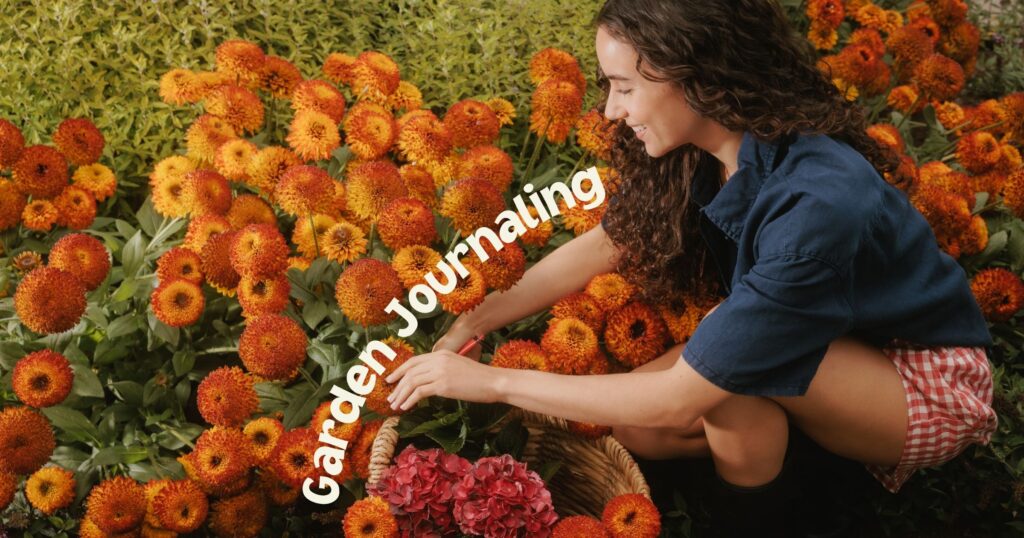
The August Garden Journal:
What to Write Down Before You Forget
August is a funny time in the garden.
The excitement of spring planting has passed, summer is in full swing, and your garden is showing you exactly what it loves… and what it doesn’t.
Some plants are thriving in the heat, covered in blooms and buzzing with pollinators. Others might be struggling, needing a little extra water, a better spot, or maybe just a different plant partner next year.
Before the season changes and those details disappear into your gardening memory, take a few minutes to start a Garden Journal.
Don’t worry — this isn’t about writing pages of notes or becoming a gardening scientist. It’s simply a place to record what you notice so you can make smarter choices next season.
Think of it as leaving a little note for your future gardening self.
1. What Bloomed When?
Have you ever looked at a plant in the garden and thought, “When did this actually start blooming last year?”
Us too.
Many gardeners forget the little details by the time spring rolls around again. That’s why August is the perfect time to jot down:
- When your plants started blooming
- How long the blooms lasted
- Which plants are still putting on a show
- Which plants had the biggest impact in your garden
Did your hydrangea steal the spotlight all summer? Did your coneflowers keep bringing in pollinators for weeks? Write it down!
These notes will help you choose plants that give you the kind of garden you love. They’ll also help you understand your garden’s rhythm from year to year — including which plants successfully made it through winter, when they returned in spring, and when you can expect blooms and new growth. Over time, your garden journal can help you fill in bloom gaps, plan for continuous color, and know what to look forward to each season.
2. What Thrived?
What did you do well this season? Which plants absolutely rocked your garden?
Maybe it was the plant with those big, beautiful blooms that became the star of the yard. Maybe it was a plant you finally figured out how to water just right, or one that responded perfectly to a little extra fertilizer.
Take a moment to celebrate those wins — because gardening is all about learning what works!
Take a walk around your yard and ask:
Which plants have been looking especially happy this season?
Look for plants that are:
- Holding up well in summer heat
- Blooming consistently
- Keeping healthy foliage
- Not needing constant attention
These are your garden MVPs. And they’re also a reflection of what you’ve learned as a gardener.
Write down what worked so you can rinse and repeat next year!
3. What Struggled?
Every garden has a few “learning moments.”
Maybe a plant didn’t get enough sun. Maybe a spot stayed too wet. Maybe something needed more water during hot summer weeks.
Instead of seeing these as failures, think of them as helpful information. We are not failing of we are learning!
Write down:
- Plants that struggled in the heat
- Areas that dried out quickly
- Spots that received more or less sun than you expected
- Any pest or disease issues you noticed
- Any other learning moments
Your garden is teaching you all season long. You just have to take notes.
4. Watering Needs: What Did You Learn?
August can reveal a lot about your garden’s watering needs.
Some plants may handle dry conditions with ease, while others might need extra attention during hot stretches.
Make notes about:
- Which plants needed frequent watering
- Which plants handled heat and dry spells well
- Which areas of your garden dried out fastest
- Any watering routines that worked well
Over time, you’ll start understanding your garden’s rhythm — and that makes caring for it much easier.
5. Track the Sun Patterns
Your garden’s sun exposure can change more than you think.
A spot that gets gentle morning sun in spring might become much hotter in August as the sun shifts higher in the sky.
Take note of:
- Areas that get full sun in summer
- Spots that become shaded later in the day
- Plants that seem to love their location
- Plants that might need a new home
Understanding your garden’s light patterns is one of the easiest ways to help your plants succeed.
For more information on sun patterns and full sun tips, watch our YouTube video!
6. Your Favorite Plants (and Why You Love Them)
This might be the most important section.
Which plants made you stop and look?
Maybe it was a plant that bloomed for months and kept your garden full of color. Maybe it was one that attracted butterflies and pollinators, or a low-maintenance favorite that looked amazing without much extra work.
Or maybe it was a plant you were really excited about that didn’t quite work out this year — but you’re not ready to give up on it yet.
Keep track of:
- Your top performers
- Your favorite blooms
- Plants you want more of
- Plants you would skip next time
Your garden should reflect what makes you happy.
Your Garden Journal Doesn’t Need to Be Perfect
The best garden journal is the one you actually use.
Take a few photos. Write a few notes. Record the things you don’t want to forget.
Because next spring, when you’re standing in the garden wondering, “What should I plant here?” you’ll have something better than a guess — you’ll have your own experience.
A garden is always growing, and so are you.
Plant. Water. Relax.
