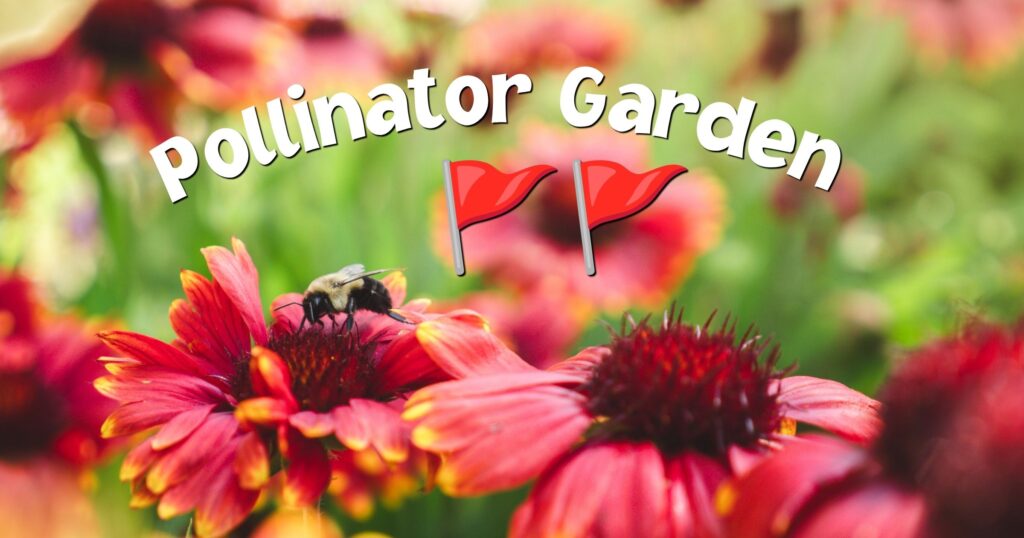
Beginner-Friendly Tips for a Pollinator-Friendly Garden That Attracts Bees, Butterflies, and Hummingbirds
If you’ve been trying to create a pollinator garden but aren’t seeing many bees, butterflies, or hummingbirds, you’re not alone.Many beginner gardeners accidentally create small “red flags” in the garden that limit how much wildlife it can support, even when the intention is good.
The key isn’t perfection. It’s learning how to design a garden that provides food, shelter, and consistency throughout the growing season.
Here are the most common pollinator garden mistakes, and how to fix them.
🚩 Red Flag #1: A single flower pot or isolated plant
A lone pot of flowers might look nice, but for pollinators, it’s not enough to create a reliable food source.
Bees and butterflies need efficient foraging, meaning they prefer clusters of flowers they can visit quickly in one area. Bees especially prioritize efficiency to meet the queen’s quotas
Better choice: Plant in groups for higher pollinator impact
Instead of one plant here and there, group flowers together to create a buffet for pollinators. Think a lush garden bed with layers and a variety of plants.
Tip: Clumping 3–5 of the same plant increases pollinator visibility to a specific area in your garden.
🚩 Red Flag #2: Everything blooms at once, then nothing
A garden that peaks for two weeks and then goes quiet leaves long gaps with no nectar or pollen available. Pollinators need continuous food sources from early spring through fall.
Better choice: Plan for bloom succession
Think of your garden like a seasonal menu:
- Spring bloomers = early energy source
- Summer bloomers = peak activity
- Fall bloomers = fuel before migration or dormancy
When you go to the garden centre, make sure you are looking for plants that say “Reblooming” or “Blooms from spring to fall”. These plants will give your garden flowers for the long haul and this notifies pollinators that your garden is a consistently well stocked kitchen.
👉 Tip: Aim for at least one plant blooming in every season window.
🚩 Red Flag #3: Spraying plants while they’re in bloom
Even routine garden sprays can unintentionally harm pollinators when applied to open blooms. Bees are especially active during flowering periods, which means timing is just as important as the product you choose.
Better choice: Be mindful of when and how you treat plants
Avoid spraying open flowers whenever possible. If your shrubs or plants do need treatment, the best time to apply it is early morning or late evening, when pollinators are less active.
Pest prevention should be the main reason for using sprays during the growing season — and even then, targeted use is key rather than routine application.
It’s also worth remembering that your garden has natural helpers. Birds, for example, play an important role in keeping pest populations in check. Supporting birds helps support the broader garden ecosystem as a whole.
👉 When in doubt, remember this: if flowers are open and pollinators are visiting, it’s best to pause or delay treatments until they’re less active. Hey, this means less work for you!
🚩 Red Flag #4: Over-mulched, sealed-off garden beds
A heavily mulched, perfectly “clean” garden bed may look tidy, but it can reduce habitat for beneficial insects. Some native bees actually nest in bare or lightly covered soil.
Better choice: Leave space for nature to work
You can still mulch your garden, just avoid over-layering it. Leave small patches of exposed soil where appropriate, especially in areas where it won’t impact plant health.
Remember, we mulch to help retain soil moisture and regulate soil temperatures during the heat of summer. If you choose to use less mulch in certain areas, simply plan for a few extra waterings, especially during hot or dry periods.
You can also let fallen leaves and other natural materials stay in place where they fall. This acts as a form of natural mulch and helps build healthier soil over time. And it could make a good living room for the bees!
👉 A slightly “imperfect” garden is often a healthier one.
🚩 Red Flag #5: Cutting everything down too early in fall
A full fall cleanup may feel satisfying, but it can remove important winter habitats. Many pollinators overwinter in hollow stems, leaves, or plant debris.
Better choice: Delay heavy cleanup until spring
Leave seed heads and stems standing through winter. Prune selectively instead of cutting everything back, especially all at once. Wait until consistent spring warmth, and the buzzing of the bees returns before tidying up all the messiness of winter.
👉 This small change can significantly increase garden biodiversity.
What a Truly Pollinator-Friendly Garden Looks Like
A healthy pollinator garden design isn’t perfectly manicured — it’s layered, continuous, and full of life.
A pollinator-friendly garden includes:
- Continuous bloom from spring to fall
- Plants grouped in clusters for easy foraging
- Clean, shallow water sources for insects and birds
- Natural shelter (stems, leaves, structure)
- A balance of tidiness and natural “mess”
Beginner Pollinator Garden Plant List (Easy Wins)
If you’re just getting started, here are some reliable, low-maintenance plants that support pollinators:
- Hydrangeas (specifically panicle and reblooming types like Bloomin’ Easy selections)
- Coneflowers (Echinacea)
- Black-eyed Susans
- Lavender
- Salvia
- Bee balm
- Sedums
These plants are forgiving, beginner-friendly, and highly attractive to pollinators.
It’s Not About Perfection — It’s About Purpose
If your garden has a few of these “red flags,” that’s completely normal. Most gardeners start there. The goal of a pollinator garden isn’t perfection, it’s creating a space that consistently supports life.
When you shift from isolated planting to layered, season-long design, your garden becomes more than decorative. It becomes active. And that’s when you’ll start noticing more bees, more butterflies, more hummingbirds — and a lot more movement in every corner of your garden.
You got this! Happy gardening!
