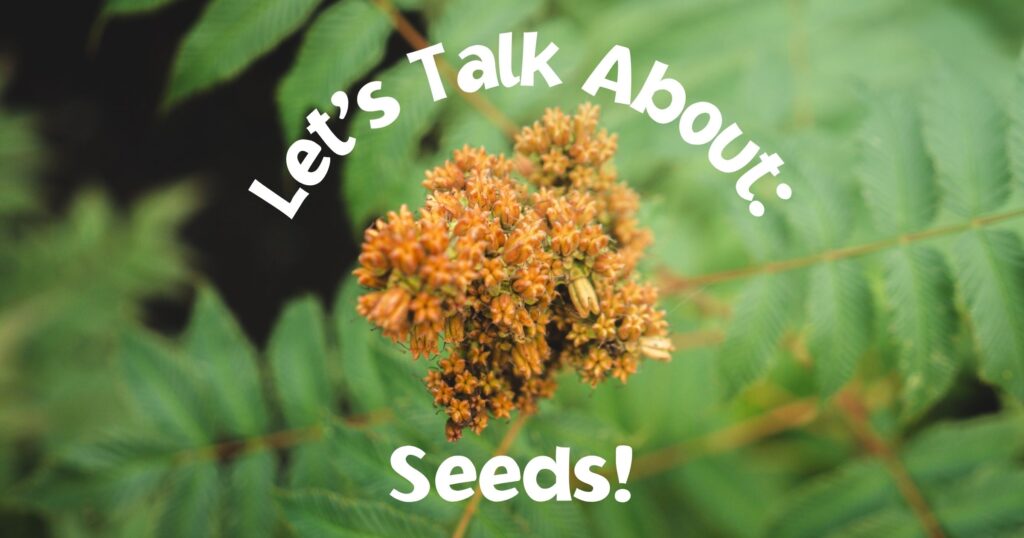
As the blooms fade and your garden settles into the quieter months, it might be tempting to tidy everything up — cutting back stems and clearing debris before winter sets in. But here’s the secret: those fading blooms and dried seed heads still have a lot of life left in them.
Leaving seed heads standing isn’t just easier for you — it’s one of the best ways to support birds, pollinators, and the natural rhythm of your garden through the colder months.
The Science and Beauty of Seed Heads
When plants bloom and set seed, they’re doing exactly what nature designed them to do — reproduce and prepare for the next growing season. We see this in the fall as the peak of a plant’s lifecycle winds down and the next mission begins: creating new life for next year.
Reproduction: Many plants, like wildflowers and grasses, produce seed heads in fall to spread their seeds. Wind, water, and animals help disperse them, and autumn’s cool, moist soil is the perfect place for them to germinate.
Survival mechanism: When plants — especially grasses — experience stress from heat, drought, or poor soil, they often form seed heads as a backup plan, ensuring their survival even if the parent plant struggles.
Aesthetic and ecological value: Beyond their purpose, seed heads from plants like yarrow, coneflower, and ornamental grasses add gorgeous texture and structure to fall and winter gardens — especially when dusted with frost or snow. Not scientific, but still pretty amazing.
So next time you see those tufts, spikes, and pods forming, know it’s nature’s way of preparing your garden, and its wildlife, for the months ahead.
How Seed Heads Benefit Birds
If you’ve ever wondered how to attract birds in winter, start by letting your plants do the work.
Seed heads are a natural food source during the lean months when insects and berries are scarce. Birds like finches, sparrows, and chickadees rely on these leftover seeds to stay fueled through cold weather. And when you leave dried flower stalks and grasses in place, you’re also giving them shelter — safe spaces to perch, hide from predators, or find protection from the wind.
Meet the Birds in Your Winter Garden
If you don’t know much about these little visitors, here’s a quick guide on how to identify them and a few cool facts about each:
🟡 Finches
Look for: Small, lively birds with short, cone-shaped beaks. Males are bright yellow in summer and olive-green in winter; females are softer yellow-brown.
Behavior: Often seen perched on coneflowers or thistles, gently bobbing as they pluck seeds.
Cool fact: The brighter a finch’s yellow, the better its diet — their color literally reflects what they eat!
🤎 Sparrows
Look for: Plump, streaky brown and gray birds with rounded heads and short tails.
Behavior: Usually hopping on the ground, picking up fallen seeds.
Cool fact: While they may seem ordinary, their feather patterns are incredibly detailed — look for fine streaks and chestnut patches around the face.
⚫ Chickadees
Look for: Tiny, curious birds with a black cap and bib, white cheeks, and gray bodies.
Behavior: They flit energetically through shrubs, sometimes hanging upside-down to grab a seed.
Cool fact: Chickadees can remember hundreds of food hiding spots — and their famous “chick-a-dee-dee” call changes depending on how alarmed they are.
Together, these little visitors bring movement and cheer to even the frostiest days — proof your garden is still full of life.
How It Benefits Pollinators
Birds aren’t the only ones who rely on your garden’s “leftovers.” Hollow stems, dried leaves, and seed heads offer critical winter shelter for pollinators like solitary bees, ladybugs, and butterflies.
Many overwinter inside stems or in the leaf litter around plants. By waiting until spring to cut back, you’re protecting the next generation of pollinators that will help your plants bloom again.
In other words — leaving seed heads isn’t neglect. It’s smart gardening. You’re building a pollinator-friendly fall garden that supports life all year long.
Other Easy Ways to Support Wildlife This Fall
As you prep your garden for winter, try these simple steps to make your space even more inviting:
- Keep water available: A birdbath or shallow dish with fresh water helps birds stay hydrated when everything freezes.
- Offer shelter: Leave small brush piles, evergreen shrubs, or ornamental grasses for cover.
- Avoid pesticides: Skip chemicals to keep your garden safe for insects, birds, and beneficial wildlife.
- Save the cleanup: Delay pruning and raking until spring — it’s less work now and better for nature later.
A Garden That Keeps Giving
When you leave seed heads, you’re not leaving a mess — you’re leaving a legacy. Every dried bloom and hollow stem is part of a living system that feeds, shelters, and sustains your local ecosystem through the coldest months.
So this fall, let your garden rest naturally. You’ll spend less time cleaning, and more time watching life continue — one seed, one bird, and one pollinator at a time.
