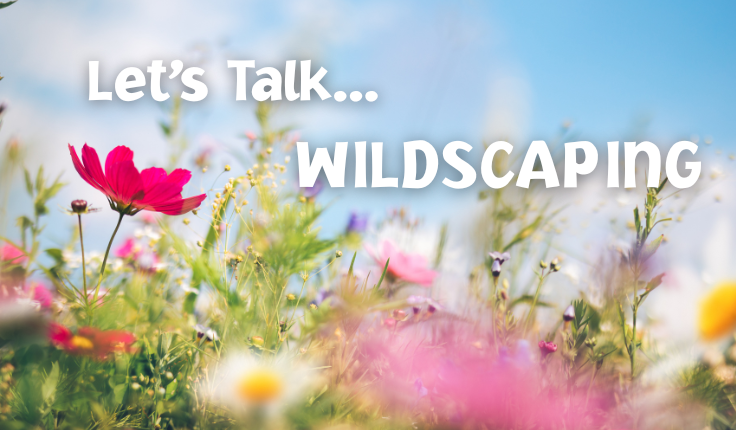
With water restrictions becoming more common and the reality of climate change settling in, homeowners are looking for smarter, lower-maintenance ways to garden. The result? A major shift away from traditional, thirsty lawns and toward modern meadow gardens—a movement we’re calling Wildscaping.
So, what is Wildscaping? It’s the art of replacing grass with plants—a lush, natural alternative that’s better for the environment, easier to maintain, and more beautiful year-round. But if you’re thinking, Wait, wouldn’t a rock garden be the best way to cut water use?, I hear you. Let’s break it down.
Why Wildscaping is Better Than a Rock Garden
Sure, rocks might seem like the ultimate “set it and forget it” solution, but they come with some serious downsides. Here’s why plants win every time:
1. Plants Cool the Environment, Rocks Trap Heat
Plants release moisture through transpiration, naturally cooling the air. Rocks? They absorb heat all day and radiate it back at night, making your yard—and your home—way hotter. Cities with too much pavement and hardscaping experience the heat island effect, raising temps and increasing A/C costs.
2. Plants Retain Moisture, Rocks Create Runoff
Drought-tolerant plants help lock water into the soil, while rocks actually make things drier by encouraging water to run off instead of soaking in. Over time, this can lead to erosion and poor soil health.
3. Plants Support Wildlife, Rocks Don’t
Wildscaping provides food and shelter for birds, bees, butterflies, and beneficial insects. Rocks? Not so much. If you want a vibrant, living landscape, plants are the way to go.
4. Less Maintenance, Not More
People assume rock gardens are “maintenance-free,” but they still get weeds—and pulling them from between stones is a nightmare. Rocks also shift, sink, and collect debris, meaning they require more upkeep than expected.
5. Plants Improve Soil Health, Rocks Compact It
Living plants add organic matter to the soil, improving its structure and fertility. Rocks compact the soil over time, making it harder for anything to grow in the future.
How to Transition Your Lawn to a Wildscape
If you’ve got an established garden but want to embrace this trend without starting from scratch, here’s how to make the shift gradually:
Step 1: Assess Your Yard
- Identify areas where grass dominates and decide how much to replace.
- Consider sunlight, soil type, and existing plants to ensure a cohesive look.
- Be realistic about maintenance—a well-designed wildscape is lower effort over time.
Step 2: Remove Grass the Right Way
Instead of tearing everything out at once, try these eco-friendly methods:
- Sheet Mulching (Best for Large Areas): Cover grass with cardboard and mulch to smother it naturally.
- Solarization (For Sunny Spots): Lay clear plastic over grass to heat-kill it within 4–8 weeks.
- Sod Cutting (For Quick Transformations): Dig up sections of grass and replace with plants instantly.
Step 3: Design a New Layout
- Curved planting beds feel more natural than straight lines.
- Mix perennials, ground covers, and shrubs for year-round interest.
- Use pathways (gravel, stepping stones, or mulch) to create flow and structure.
Pro Tip: Group plants in drifts instead of spacing them evenly. This mimics nature and helps retain moisture.
Step 4: Choose Water-Wise Plants
Go for a mix of:
- Drought-tolerant perennials: Vanilla Drip™ Coneflower, Double Scoop™ Watermelon Deluxe Coneflower, Solar Sisters™ Black-eyed Susan
- Ground covers: Tidepool™ Sky Blue Lithodora, SylvesterBlue™ Catmint, Puff Pastry™ Raspberry Stonecrop
- Native grasses: Feather Reed Grass, Little Bluestem
- Pollinator-friendly flowers: Ka-Pow® Pink Garden Phlox, Blueberry Pie® Butterfly Bush, Beekeeper® Bluebeard
- Ornamental shrubs: Nightglow® Bush Honeysuckle, Plum Gorgeous™ Loropetalum, Pinky Promise® Snowberry
Pro Tip: Want an instant meadow look? Sow a wildflower mix over the bare soil and plant with Bloomin’ Easy favorites like Grin and Tonic™ Reblooming Hydrangea and Kimono™ Reblooming Hydrangea.
Step 5: Adjust Watering & Irrigation
- Convert sprinklers to drip irrigation for targeted watering.
- Water deeply but less often to encourage strong root growth.
- Once plants are established, cut back watering significantly.
Final Thoughts
If you’re ready to ditch the lawn and embrace Wildscaping, you’re not just following a trend—you’re future-proofing your landscape. With less watering, less maintenance, and more beauty, there’s never been a better time to trade grass for something greener (and we don’t mean artificial turf).