Why is my garden suddenly looking like a Halloween set?
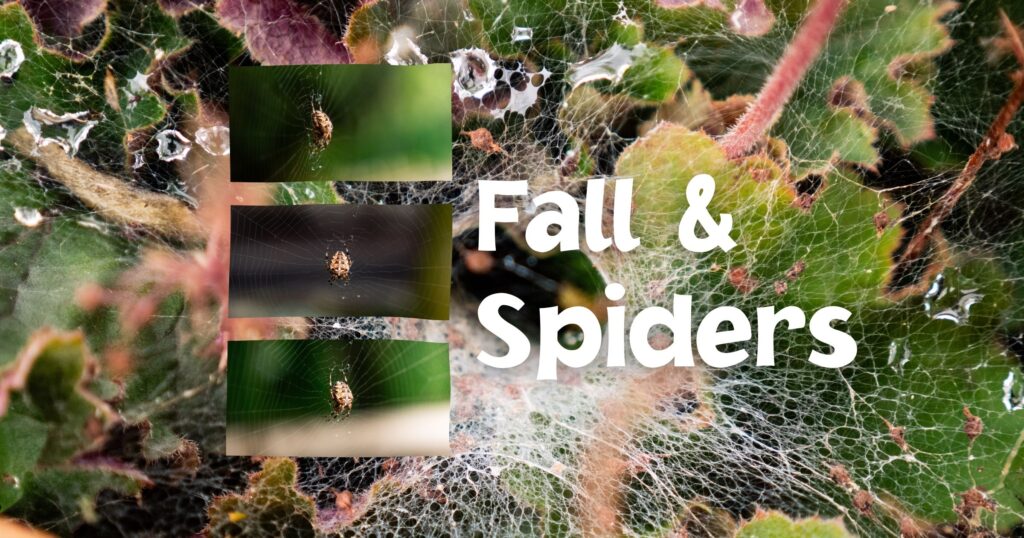
Noticing a lot more spiders right now? You’re not wrong — they’re suddenly everywhere. But it’s not just because Halloween is coming. Spiders have quietly been living their whole lives in your yard all season long; they’re just more obvious now. Let’s break down why it’s a good thing, and what to do if you don’t want them snoozing on your windowsill.
Why so many spiders all of a sudden?
Think of spring as Spider Kindergarten. Tiny spiderlings hatch, build tiny, nearly invisible webs, and spend the summer quietly getting bigger. As the months go on, those webs get bigger, messier, and much easier to spot stretched across leaves or garden paths. By late summer and early fall, the insect world is winding down, which means easy pickings for hungry spiders. Cooler nights push bugs into tighter spaces, and spiders take full advantage — it’s basically their all-you-can-eat buffet before mating season.
Now, the spiders are fully grown — the biggest they’ll ever be — and it’s mating season. Female spiders often sit in their webs conserving energy while they wait for a male. They release chemical signals (a kind of spider perfume), males pick that up with the sensitive hairs on their legs, and the chase is on. That’s also why you might see more spiders scurrying around inside houses right now: those are often males on a one-track mission to find a mate. They aren’t trying to live with you, they are just looking for love.
For a quick reel-education on this, watch this video with Madi!
Are they dangerous?
Short answer: no.
Most common garden spiders — like orb-weavers ( Black-and-Yellow Garden Spider and the European Garden Spider) — are venomous to their insect prey but not dangerous to people. Bites are rare and usually mild (a bit of redness or swelling similar to a mosquito bite). If you’re bitten and have an unusual reaction (severe swelling, difficulty breathing), seek medical attention.
Why you should love spiders (yes, really)
Spiders are tiny, eight-legged pest-control machines. They eat huge quantities of insects during their lifetimes — globally the estimated amount is in the hundreds of millions of metric tons of prey every year. Translation: without spiders, gardens would be a lot more bug-infested… too bug infested.
In your garden they:
- Keep pest populations down, eating aphids, moths, flies and other nibblers.
- Increase biodiversity, which helps overall plant and ecosystem health.
- Act as a natural, free pest repellent — no chemicals required.
So, when possible, let them be. A few messy webs tucked into shrubs are a sign of a healthy, working ecosystem. Instead of fearing webs, use them as “garden health check markers”. More webs = healthy insect population balance.
How does that work? Spiders are part of the food web. Birds, frogs, and even some wasps rely on spiders for food, so letting spiders thrive means healthier biodiversity overall. Spiders also help with pollinator protection. By reducing pests like aphids and leafhoppers, they indirectly support healthier flowers for pollinators.
Don’t want them in the house? Easy steps:
So maybe we can be ok with spiders outside, but if you are trying to prevent them in your living spaces, try these simple steps:
- Dust and vacuum regularly — remove webs right away. Disturbed spiders will usually move on to quieter places.
- Seal cracks and gaps in windows and doors where wandering spiders can slip in.
- Keep vegetation trimmed away from the house so spiders don’t build refuge right against your walls.
Many people think the simplest way to deal with spiders in the house is just to squash them. That may solve the problem in the moment, but it doesn’t get to the root of it. Most of the spiders you see in fall didn’t just sneak in with the cool weather — many actually hatched indoors last year and have been quietly living alongside you ever since. I know, I know… not what you wanted to hear. The best long-term solution is prevention: stay on top of removing webs as soon as you spot them. This encourages spiders to set up shop somewhere less interrupted.
There’s a poem on Reddit that became pretty popular, written from the perspective of a spider asking for mercy. It ends like this:
“Maybe
If the webs I weaved were made of cotton candy and captured clementines, cherries, and sweet peas rather than struggling wings and blood;
If I had only two eyes, and they were glittering stars and not supermassive black holes;
If I was the same but looked different — maybe you wouldn’t hate me.
Maybe you would’ve shown me mercy.”
I love this reminder that spiders aren’t villains — they just happen to look a little different from the creatures we find cuddly. They’re built differently, and they play an important role in keeping our world balanced.
Sources:
